


Decision-making in a clinical setting needs comprehensive, accurate and real-time data. In order to better care for patients, researchers and data scientists are innovating around the technology enabling access to key data from electronic health records driving decision-making. NIH’s Sarah Warner, a data scientist in the Clinical Epidemiology Section of the Critical Care Medicine Department, discusses the strategies behind the big data efforts helping clinicians understand and improve treatment for critically ill patients, better define granular data elements that make up patient care, and inform public health policy more broadly.
HealthCast
11m listen
Live from HIMSS: Big Data Helps NIH Researchers Innovate Critical Care Medicine
Share

An NIH data scientist is creating more meaningful clinical analysis of EHR and patient data.
-
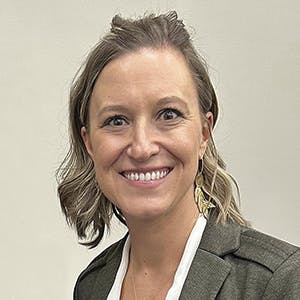 Sarah Warner Data Scientist, Clinical Epidemiology Section, Critical Care Medicine Department NIH

Related Content
-

The Cybersecurity Nightmares Threatening Modern Organizations
Cybersecurity leaders examine the hidden threats facing organizations, from shadow AI and legacy systems to alert fatigue, analyst burnout and emerging AI risks.
17m watch -

Keeping Aging Federal Systems Running Amid OT Vulnerabilities
A techno-thriller novel highlights how organizational silos can become critical infrastructure vulnerabilities in the AI era.
19m watch -

HHS Looks to Centralize IT Buying, Speed Access to Emerging Tech
HHS is centralizing IT procurement while pursuing faster acquisition tools for AI and other emerging technologies.
9m watch -
VA Pharmacy Upgrades Bring New AI Capabilities to EHRs
The agency incorporated feedback from pharmacists in tech upgrades that add AI capabilities and streamline prescription workflows.
3m read


