Service CIOs Push for One Cyber Talent Platform Across DOW
Leaders say the current patchwork of service‑built systems slows hiring and obscures mastery, calling for an enterprise model focused on outcomes.
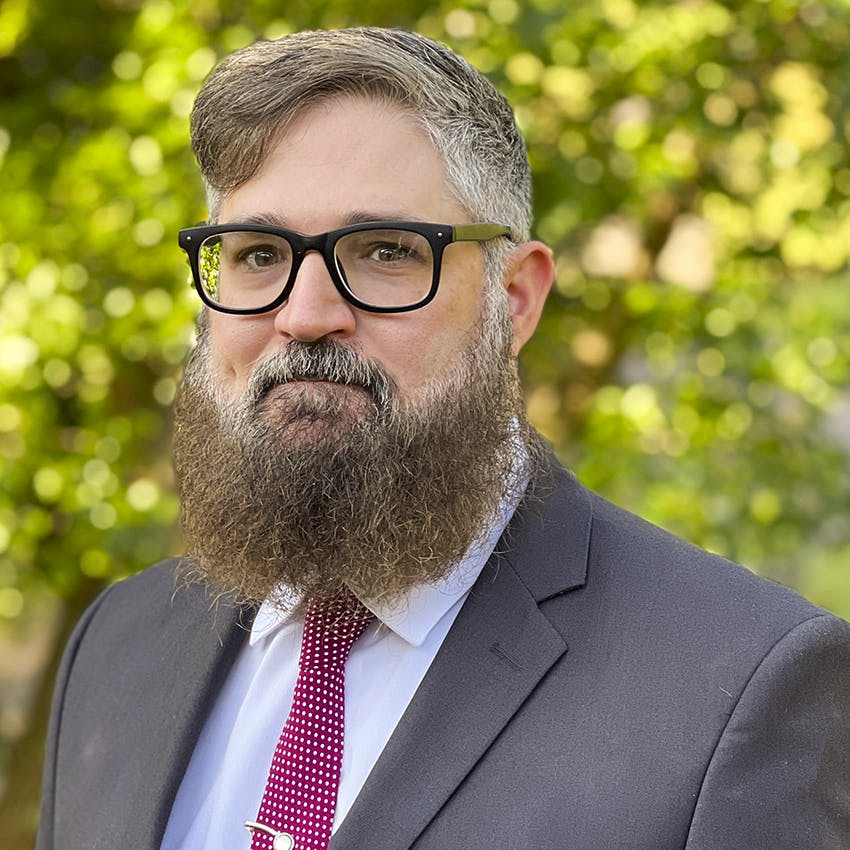

The War Department’s CIO office is pushing to overhaul how the military manages cyber talent, advancing plans for an enterprise-wide platform designed to standardize workforce systems and prioritize operational outcomes over administrative metrics.
Mark Gorak, director of the Cyber Academic Engagement Office and principal director for resources and analysis, said Thursday at an AFCEA International Cyber Workforce Summit panel that the department is pursuing a unified approach to cyber talent management across the services.
“We will commit to work with the departments on an enterprise-wide solution for cyber talent management system,” said Gorak. “I am not looking at the old system and saying this, ‘tweak it here and take off five days here in the hiring process.’ I’m looking to radically change it. This is the time to try this.”
Army CIO Leonel Garciga asked DOW officials Wednesday to work with the services to standardize cyber talent systems.
“When I saw this question, I laughed. I’m like, ‘Wow, in our infinite wisdom, we’re all building our own systems, and the department is asking us to do this instead of just building it,’” Garciga said. “We could play this game for the next two decades, or we could just do it the way that anybody in any company would do this … Let’s grow up and do this the right way.”
Officials said integrating talent management across military branches would enable more effective workforce outcomes, allowing the department to move beyond simply managing personnel at scale.
“All of the departments are asking for … a cyber talent management system that will be integrated across the whole department, so there won’t be the issues that you brought up with plug and play between components,” Gorak said.
Focusing on Results
Garciga said the shift requires a stronger focus on operational results rather than traditional metrics like certifications or workforce size.
“We’re talking about outcomes,” Garciga said “This is the next stage of this space. It’s going to be about that mastery piece and that quality piece, because the numbers need to be about that quality piece.”
Keith Hardiman, the acting CIO for the Department of the Air Force, said a unified system could help correct long-standing challenges in how the military develops cyber talent.
“I think we’ve been so accustomed to having support from a mass perspective, not looking at from a mastery perspective,” Hardiman said. “We have to look at … the talent that we’re looking at, and not just look at the quantity of the person that we have right now.”
Barry Tanner, Department of the Navy CIO, said that the military services are shifting from a checklist-based posture to one that is able to thwart cyber threats more easily.
“There’s this dramatic shift that I’ve noticed over the last 12 to 18 months, across the department, across all of our teams and across our partners, that’s a shift from a compliance mindset to a readiness mindset,” Tanner said. “That’s a nice set of buzzwords, but what it means in reality is we are now looking at ourselves from the lens of delivery and outcome, as opposed to a checklist that somebody gave me.”
This is a carousel with manually rotating slides. Use Next and Previous buttons to navigate or jump to a slide with the slide dots
-

Marine Warfighting Lab Turns Lessons from Ukraine into Future Strategy
The Marine Corps Warfighting Laboratory uses wargaming and simulation to analyze threats, test capabilities and prepare for future conflicts.
12m listen -

Former DOL CISO on the Importance of Building Your Network
Paul Blahusch discusses leveraging your network and the power of pivoting.
7m watch -

NNSA Eyes Human-Machine Teaming to Boost Mission Efficiency
Officials say AI will reshape roles, enhance cybersecurity and support predictive maintenance as NNSA modernizes operations.
2m read -

NASA Expands Nuclear, Workforce Strategies to Power Future Missions
NASA is advancing nuclear systems and workforce models to accelerate space exploration and mission readiness.
2m read