


Agencies Take on New Zero Trust Directives in Cybersecurity Strategies

Download the latest e-book to learn how federal agencies like NASA and the departments of Defense, Health and Human Services, Homeland Security and others are approaching zero trust within their unique missions.
Inside, hear from:
- Navy Principal Cyber Advisor Chris Cleary on the Navy’s new ICAM strategy and the fundamental role identity plays in achieving a zero trust structure.
- Government Accountability Office’s IT and Cybersecurity Director Jennifer Franks on implementing the cyber executive order and securing the supply chain.
- NASA Cybersecurity and Privacy Division Associate CIO Mike Witt on NASA’s move to a software-defined network access structure as the agency builds the foundation for zero trust.
- HHS Office of Inspector General CIO Gerald Caron on how zero trust and software supply chain risk management anchor his cyber strategy around agency audits.
Download the e-Book
-
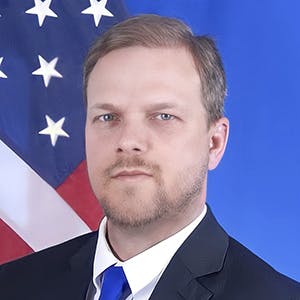 Gerald Caron CIO, Office of the Inspector General, HHS
-
 Chris Cleary Principal Cyber Advisor, U.S. Navy
-
 Alma Cole Former CISO, Customs & Border Protection
-
 Jennifer Franks Director of IT & Cybersecurity, GAO
-
 Mike Witt Associate CIO, Cybersecurity & Privacy, NASA


-

Federal PQC Migration: 3 Resources to Help Agencies Prepare
NIST, CISA and NSA provide tools and guidance to help federal agencies meet upcoming post-quantum cryptography migration deadlines.
3m read Partner Content -

White House Taps Kirsten Davies as Acting National Cyber Director
After Sean Cairncross' departure, the Pentagon CIO brings experience in cybersecurity, PQC migration and workforce modernization to the role.
3m read -

Recent IT Outages Highlight Need for Better Coordination, Clear Performance Metrics
Recent federal IT outages are raising questions about coordination, system reliability and how agencies measure technology performance.
5m read -

FBI Warns of Growing Nation-State Threats to Quantum Research
FBI officials warn that foreign adversaries could target U.S. quantum advancements, prompting new efforts to protect research and critical technologies.
3m read


