Pentagon CIO Nominee Plans to Tackle Tech Debt, Boost Cybersecurity
Kirsten Davies pledges to modernize legacy systems, embrace zero trust and empower warfighters with AI-driven infrastructure.
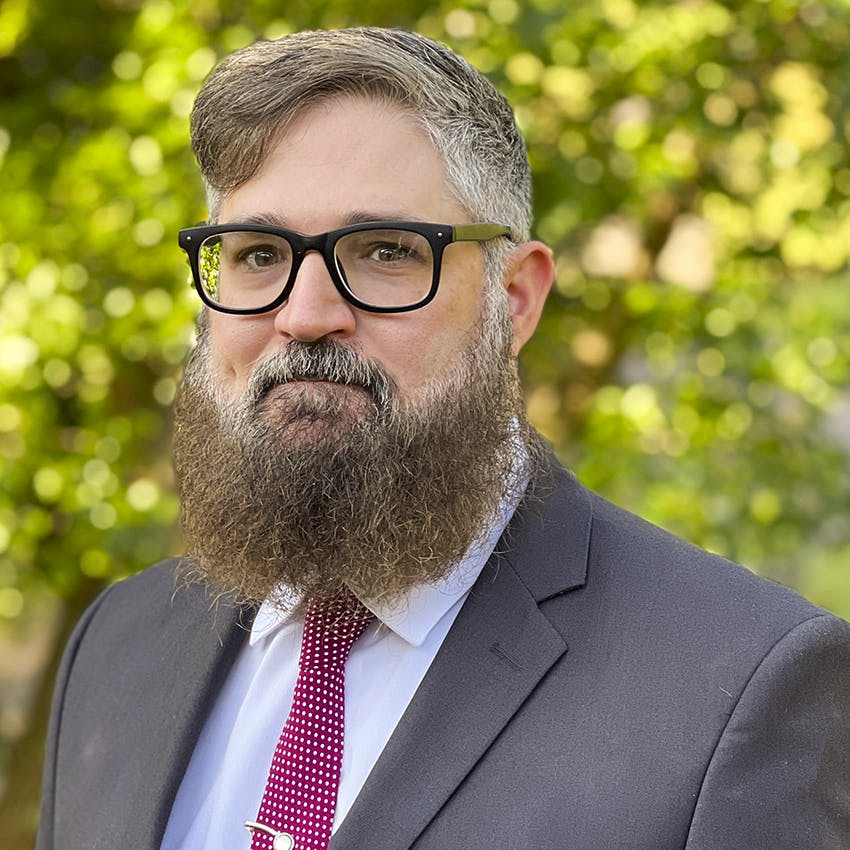

War Department CIO nominee Kirsten Davies said that she will work to “actively address tech debt” and “surgically prioritize modernization initiatives” to support readiness, during a confirmation hearing before the Senate Armed Services Committee Thursday. Davies added that she would lead the OCIO with a blend of “heart” and head, combining personal skills with a data-driven, analytical approach to achieve measurable and impactful results.
“I am passionate about the work I do, solving complex problems and accomplishing what many claimed would be impossible,” she said. “I am purpose-driven and excellence-focused.”
Modernization and Emerging Tech
Davies told the committee that the Pentagon is often weighed down by costly legacy systems and a lack of optimized data. To tackle these issues, she told the committee in a pre-hearing Q&A that she will use the department’s budget certification authority to drive risk-informed IT investments and incentivize components to create credible plans for debt reduction and the decommissioning of outdated systems.
“I will be looking to prioritize investments that improve the department’s cybersecurity and resilience posture while modernizing our IT and communications infrastructure,” she wrote. “This would include prioritizing initiatives that streamline operations, reduce redundancy, demonstrably improve security posture, and advance the department’s warfighting capabilities.”
Davies wrote in the Q&A that she plans to accelerate the use of cloud computing to enhance scalability and resilience across the department. She also plans to rapidly advance the adoption of zero trust principles for both IT and operational technology to strengthen cybersecurity and protect critical infrastructure.
Additionally, she told the Senators that she would prioritize 5G and other wireless technology to support mission-critical communications and build the guardrails for AI to ensure data supremacy and decision dominance for warfighters.
“Digital transformation and data optimization are critical building blocks for AI. I have successfully led this work at scale and am a known innovator,” she told the committee Thursday.
She also told the committee that she sees AI as a unique and evolving capability that requires close collaboration across innovation, acquisition, IT, data and cybersecurity domains.
“Transformation in policy, process, and technology would also be a priority, to build out the ‘rails’ for AI and other innovations, supporting our warfighter, partner and ally decision dominance,” Davies wrote. “These efforts would align with the department’s strategic goals and ensure the information enterprise is prepared to meet evolving operational demands … I will also drive the adoption of advanced technologies to enhance threat detection and response capabilities.”
Strengthening Cybersecurity and the Workforce
Davies cited cybersecurity as a central part of her work, should she be confirmed. She quoted Secretary Pete Hegseth’s claim that “cyber will be part of every single way that we plan and look at the world” in her opening statement and echoed the White House’s call for an expanded and upskilled national security cyber workforce.
“There are great people, but at today’s speed of change, skills must be constantly refreshed and future fit. New entrants with innovative tech solutions struggle with red tape and lack of access. Cyberattacks are pervasive,” Davies said Thursday. “America’s adversaries are motivated and capable to inflict massive impact, and there is little deterrence. Great change is needed in this time and in this hour.”
Davies also proposed a proactive expansion of the Cyber Excepted Service (CES) to attract and retain top talent, filling capability gaps where hiring flexibilities are most needed.
“CES expansion must be strategic and proactive, filling true capability gaps where hiring flexibilities are needed most. I would prioritize mobility and career pathways across all personnel systems, supported by clear governance and transparency, so that employees can grow without barriers,” Davies wrote in response to committee’s questions. “CES should be a force multiplier for the mission and a seamless part of the larger DOW workforce.”
A Collaborative and Data-Driven Approach
If confirmed, Davies said that she will foster a collaborative relationship with the CIOs of the military services and national security agencies. She said that she will work with components to provide clear, centralized guidance to ensure unity of effort and avoid unnecessary duplication.
“If confirmed, I will build a strong partnership with USW(R&E) to align research, technology development, and prototyping efforts with the National Defense Strategy,” Davies said. “Together, we will integrate availability, cybersecurity, and survivability requirements into capability designs, ensuring secure and resilient defense software, information systems, spectrum, and networking. This collaboration will accelerate the delivery of innovative solutions to the warfighter, addressing both current and future challenges.”
Davies told the committee that she would champion a data-driven approach to acquisition reform, using performance metrics and user feedback to ensure teams are delivering continuous value to the warfighter, in line with Hegseth’s priorities.
“I will forge the next generation of industry tech and cyber partnerships. I will work across the department and interagency to catalyze cyber deterrence,” Davies said Thursday. “I will bring the voice of the warfighter into the DNA of the office of the CIO. “
This is a carousel with manually rotating slides. Use Next and Previous buttons to navigate or jump to a slide with the slide dots
-

Critical Infrastructure Attacks Push Agencies to Secure OT
Leaders say agencies must improve asset management and recovery efforts to defend OT and IoT environments from evolving cyber threats.
3m read -

Agencies Shift Toward Automated Identity Management to Bolster Zero Trust
Officials say disconnected clinics, global workforces and AI-driven devices demand architectures built around identity, not networks.
3m read -

White House Pushes ‘Action-Oriented’ Cyber Strategy to Deter Threats
ONCD's Seth McKinnis outlines action-focused strategy to impose costs on attackers and strengthen protections for American victims.
3m read -

VA Uses Automation, AI to Process Record Benefits Claims
VA officials say automated tools improved claims accuracy while reducing processing times and backlogs across benefits programs.
4m read