


Inside the Latest Version of NIST’s Cybersecurity Framework

Stephen Quinn, Technical Lead for the Cybersecurity Framework 2.0, NIST
The latest iteration of the National Institutes of Standards and Technology’s (NIST) Cybersecurity Framework (CSF) helps organizations strengthen their security posture and align their cybersecurity efforts with enterprise-wide risk management.
NIST’s Stephen Quinn, the project lead for the Cybersecurity Framework, provides a comprehensive overview of the key updates and transformative features in the 2.0 version. At the center of the new framework is the introduction of the “govern” function, which empowers executives and risk management professionals to seamlessly integrate cybersecurity risk into their existing enterprise-level decision-making processes.
By bridging the gap between technical security controls and business objectives, the framework enables organizations to make more informed, strategic investments in their cybersecurity programs. Additionally, the framework has been enhanced to address emerging technologies, such as quantum computing and artificial intelligence, ensuring an organization is prepared to navigate the evolving threat landscape.
-
 Stephen Quinn Technical Lead, Cybersecurity Framework 2.0, NIST

-

Federal CIO Tracker: Latest Appointments
Stay up to date on federal CIO and IT leadership changes, including appointments, departures and leadership transitions.
6m read -

AI Reshapes Critical Infrastructure Cybersecurity
As AI accelerates cyber threats, critical infrastructure operators are embracing zero trust, automation and modernization to bolster their defenses.
38m watch Partner Content -

FEHRM CTO: TEFCA Could Take Federal Health Data Exchange to ‘Next Evolution’
FEHRM CTO Lance Scott discusses efforts to modernize and improve interoperability of electronic health records across the federal government.
7m watch -
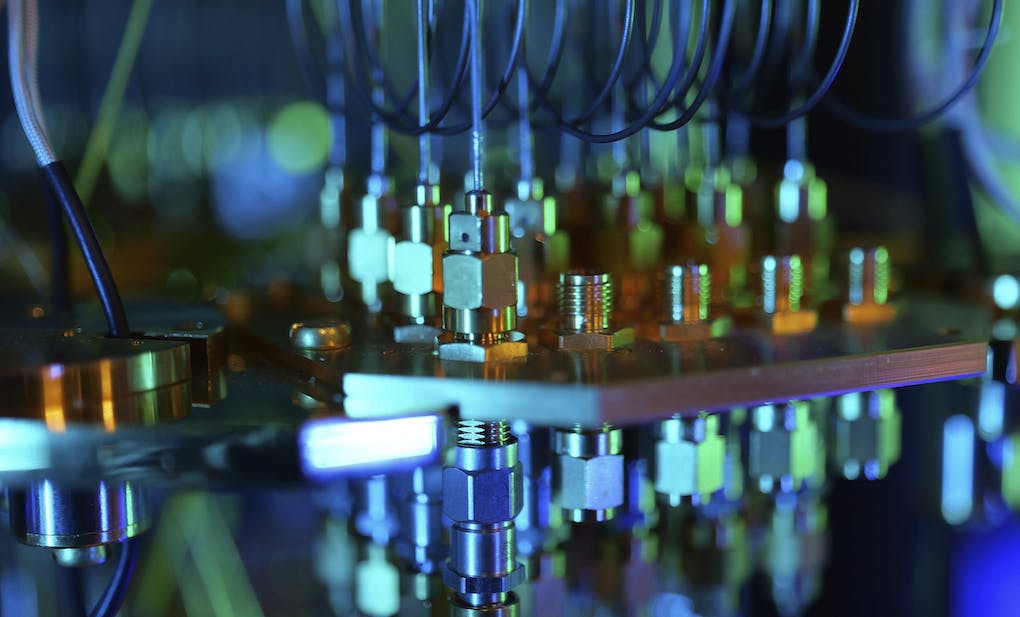
DOE Opens Applications for $215M Genesis Mission Competition
DOE's Quantum Genesis Q Competition aims to engage vendors to help build the world's first fault-tolerant quantum computer.
2m read


