Trump Overhauls Federal Cybersecurity with New Executive Order
The new directive aims to strengthen digital defenses while rolling back “burdensome” software requirements and refocusing AI security.

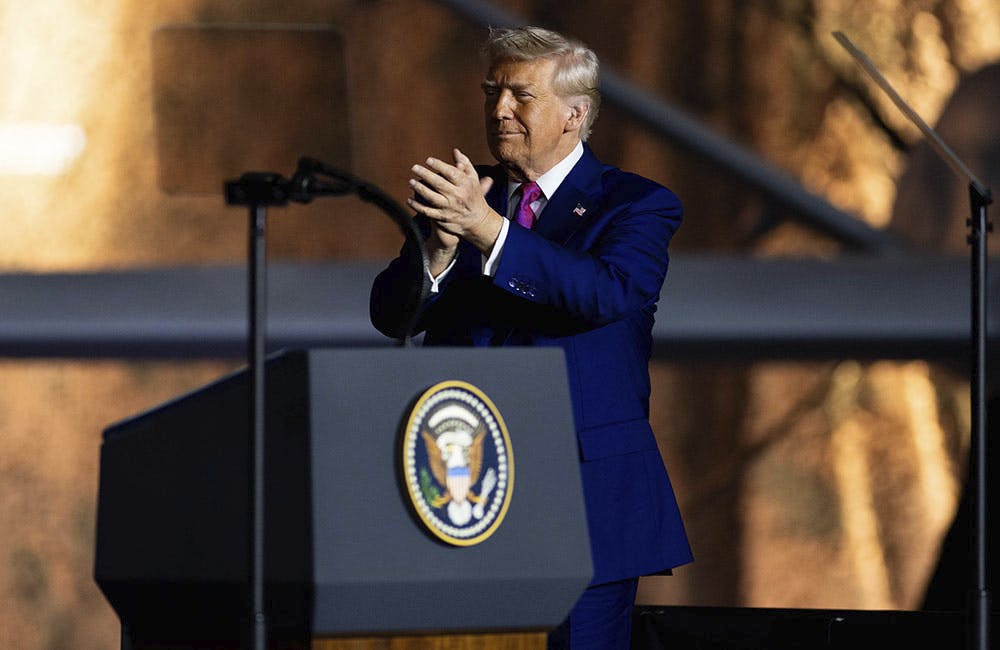
President Donald Trump signed an executive order aimed at strengthening cybersecurity on Friday. According to the White House, the order promotes the development of secure software, encourages the adoption of the latest encryption protocols and further secure internet routing.
The order, titled “Sustaining Select Efforts to Strengthen the Nation’s Cybersecurity and Amending Executive Order 13694 and Executive Order 14144,” directly targets and modifies key provisions from cybersecurity directives issued by both the Biden and Obama administrations. According to a White House fact sheet, the order also seeks to amend “problematic elements” of Biden administration orders, including “unproven and burdensome software accounting processes” and “micromanaged technical cybersecurity decisions.”
The new order explicitly removes provisions that would require federal contractors to submit “secure software development attestations” and accompanying technical data. It also eliminates requirements for the Cybersecurity and Infrastructure Security Agency to verify these attestations and for the Office of the National Cyber Director to publish review results.
The White House justified these changes by stating that such measures prioritized “compliance checklists over genuine security investments” and risked “widespread abuse by enabling illegal immigrants to improperly access public benefits.”
“President Trump has made it clear that this administration will do what it takes to make America cyber secure — including focusing relentlessly on technical and organizational professionalism to improve the security and resilience of the nation’s information systems and networks,” a White House fact sheet reads.
The executive order emphasizes several critical areas:
- Enhanced Cybersecurity Standards: Agencies are directed to update their cybersecurity frameworks, prioritize zero-trust architectures and implement advanced threat detection systems. This builds upon the Biden administration’s January order’s mandates but accelerates adoption through dedicated funding and technical support.
- Supply Chain Security: The order underscores the importance of scrutinizing and securing supply chains, especially for software and hardware components. It mandates stricter vetting processes for suppliers and incentives for developing secure, trusted technology ecosystems.
- Incident Response and Resilience: Recognizing the growing sophistication of cyber adversaries, the order calls for improved incident response protocols, regular cyber drills and increased transparency around cyber incidents affecting federal operations.
- International Cooperation: Cyber threats often breach borders and the executive order highlights the need for stronger international cooperation, information sharing and joint capacity-building initiatives aimed at combating transnational cybercriminal networks.
- Workforce Development: To sustain long-term resilience, the Biden administration emphasizes expanding cybersecurity workforce training programs, fostering public awareness and encouraging innovation in cybersecurity technologies.
Th order also streamlines post-quantum cryptography (PQC) and artificial intelligence cybersecurity initiatives. The order “refocuses AI cybersecurity efforts towards identifying and managing vulnerabilities, rather than censorship,” and requires a regularly updated list of product categories that support PQC.
“President Trump has already taken action to remove barriers to AI innovation, ensuring that our technology sector remains competitive at the cutting edge of new developments and free from ideological bias,” reads the White House fact sheet.
This is a carousel with manually rotating slides. Use Next and Previous buttons to navigate or jump to a slide with the slide dots
-

Why Federal Tech Leaders Are Wearing Many Hats
Combining senior tech roles can streamline decision-making, but experts warn limited time and resources may hinder execution.
4m read -

Inside the Army’s FUZE Model for Rapid Tech Deployment
FUZE Director Matthew Willis explains how the Army is using a venture-style investment model to move emerging technologies from prototype to the field faster.
10m listen -

The Federal CIO Tracker: Running List
Stay informed on the latest shifts in federal technology leadership as new CIOs are appointed and President Trump's second term takes shape.
6m read -

DOL’s AI-Ready Initiative Gains Early Traction with Nationwide Rollout
A new seven-day AI course from the Labor Department uses mobile learning to boost AI literacy nationwide.
3m read