


What Happens After a Security Breach?
As agencies stand up zero trust strategies, federal and industry partners are working together on best practices for responding to cyber attacks and ensuring critical data and systems remain secured.
Inside, read insights featuring:
- Defense Department CISO David McKeown on Congress’ new cyber incident reporting mandate
- CISA’s draft model for what to do after a cyber incident
- Exterro Forensic Subject Matter Expert Justin Tolman on recovering from cyber attacks
- OMB Acting Director Shalanda Young on the breakdown of the maturity model for federal agencies to track information logs from their IT systems

-
 Shane Barney CISO, USCIS
 -
 Chris Butera Technical Director for Cyber, CISA
 -
 Kimberly Denbow Managing Director for Security, American Gas Association
 -
 Michael Duffy Associate Director, Cybersecurity Division, CISA
 -
 Matt Hartman Deputy Executive Assistant Director of Cybersecurity, CISA
 -
 Heather Hogsett Senior Vice President, Bank Policy Institute
 -
 Kate Macri Senior Researcher, GovCIO Media & Research
 -
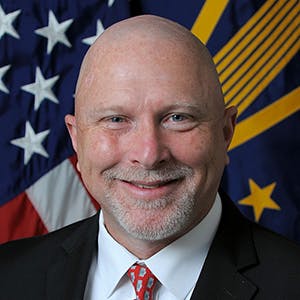 David McKeown CISO, Department of Defense
 -
 Justin Tolman Forensic Subject Matter Expert, Exterro
 -
 Brandon Wales Executive Director, CISA


-

Federal Agencies Push AI‑Enabled Zero Trust to Outpace Adversaries
Officials warn that cultural resistance is among the biggest barriers to modernizing security architectures across government.
4m read -

Staying Ahead of AI-Driven Cyber Threats
Robert Roser shares insights on emerging cybercrime trends, supply chain risks and how federal organizations can build stronger security through zero trust.
8m watch -
CISA Tells Agencies to Remove These Vulnerable Edge Devices
CISA guidance requires agencies to replace unsupported edge devices and strengthen lifecycle management to reduce attack surfaces.
3m read -

How Data Visibility, Zero Trust Are Key to Mission-Embedded AI
Federal agencies are grappling with how to assess artificial intelligence models safely and ensure they meet cybersecurity standards.
9m watch Partner Content


