Agencies Grapple With Multi-Channel Comms for CX
IRS and Labor officials say that providing multiple communication channels come with backend integration work.

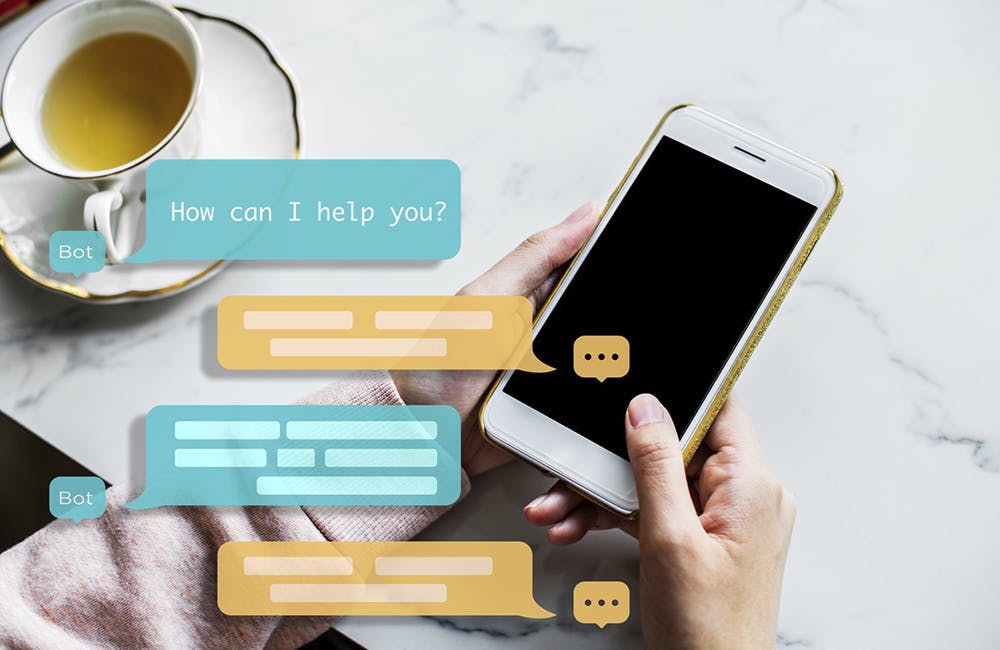
Federal leaders are looking for improved solutions and processes to integrate multiple communication channels for call centers and ultimately improve the customer experience.
For some, building in these capabilities is a matter of enabling communications that the public is used to using every day in daily life.
“I think you can look at the call centers, in terms of adding new channels and technology, allow people to not just call in but … communicate with other channels,” said David Lunsford, senior customer experience strategist at the IRS Taxpayer Experience Office, during an ACT-IAC community of interest meeting last month. “There’s a lot of reasons that people need to interact with us, so providing the proper channel for each use case, or the proper selection of channels, is a challenge.”
From the IRS perspective, enabling the public to use different channels is only part of the challenge. The agency also has to integrate all the collected and existing data.
“One of the challenges … is pulling all this together on the backend because there’s the taxpayer information, there’s what they’ve told us in the communications, there’s what they may have uploaded digitally or faxed to us or mailed to us or told us on a phone call, what they’ve sent to us through a secure message or chat,” Lunsford said. “We’re not at the point yet where we can bring it all into a unified dashboard where we can understand this is why the taxpayers [are] reaching out to us.”
The Department of Labor has had challenges in the unemployment insurance application process because each state has its own application, according to Program Lead for CX Sylvie Williams at the Labor Office of Unemployment Insurance Modernization. An omni-channel approach would enable claimants to access information from any channel, even if it was not sent through that channel originally.
“[When claimants] are switching channels, they’re losing the work they’ve already done,” she said. “We’re trying to work with states … we’re giving them IT modernization funding and with that encouraging them to make some of those changes and make those backends work, so that loss doesn’t happen.”
Web chat and text message capabilities are also growing in popularity in call centers.
“We very quickly spun up a text channel, and that was four years ago. And two years ago, we added web chat to that, and it has been an incredible success,” said Amtrak Director of Digital Technology and Innovation Alan Burnstine. “It is our fastest growing channel. It’s probably, by the middle of next year, going to overtake phone calls as our leading method of customers reaching us.”
This is a carousel with manually rotating slides. Use Next and Previous buttons to navigate or jump to a slide with the slide dots
-

VA Uses Automation, AI to Process Record Benefits Claims
VA officials say automated tools improved claims accuracy while reducing processing times and backlogs across benefits programs.
4m read -

Modernizing Federal Contact Centers
Officials discuss how CX-driven strategies are modernizing contact centers and strengthening security and service delivery.
30m watch Partner Content -

AI Decision Support System Aims to Improve Battlefield Triage
APPRAISE helps combat medics identify hemorrhage risk earlier and make faster triage and evacuation decisions.
7m watch -

Why Federal Tech Leaders Are Wearing Many Hats
Combining senior tech roles can streamline decision-making, but experts warn limited time and resources may hinder execution.
4m read