VA CIO Targets Modern IT and Smarter Workforce Alignment
Agency leaders told lawmakers they are focused on trimming legacy systems and restructuring its workforce to streamline operations.

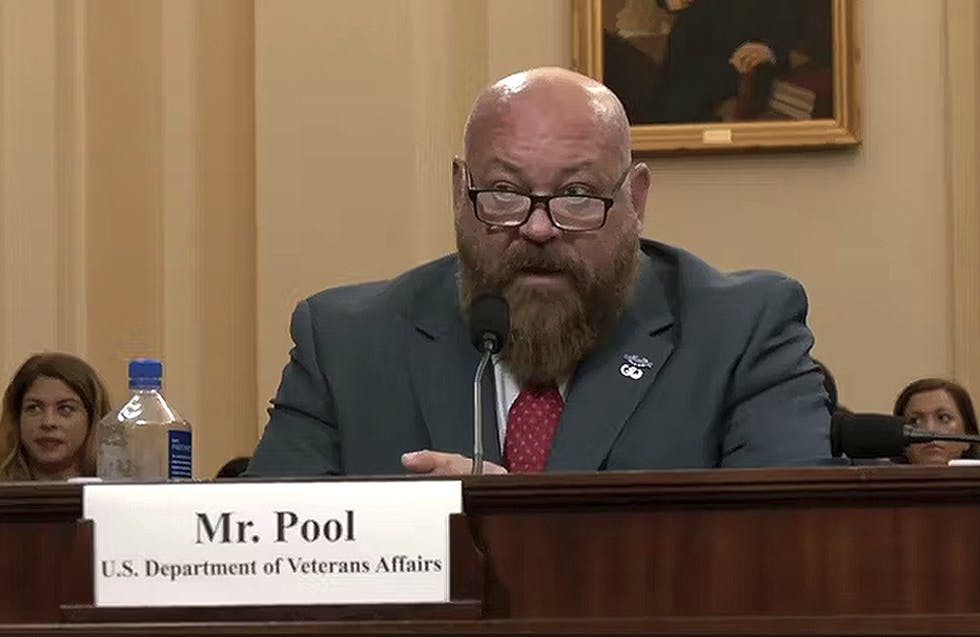
Department of Veterans Affairs Acting CIO Eddie Pool laid out a technology vision to streamline operations, modernize legacy systems and pivot to dynamic cybersecurity practices during his appearance before Congress this week.
“Previously we’ve invested in building and building and building, and so we have a very large portfolio of products that are custom. They’re built and maintained and we’re perpetually stuck, and a lot of those get into the legacy portfolio,” Pool told Congressional leaders at the hearing.
Pool said his office is focused on eliminating or shrinking OIT operations that don’t directly contribute to the IT mission and examining where it can get services and functions within the department or commercial sector to fill the gaps.
“The buy versus build is really driven by the need to look at enterprise standard tools out there today that can deliver functionality for the department,” Pool said.
This model also leads to improved cybersecurity, he noted. VA plans to invest in cybersecurity monitoring and infrastructure readiness.
“We are pivoting from a compliance-based checkboxes to dynamic threat-informed defenses with proactive risk mitigation to stay ahead of evolving threats,” Pool said.
VA Workforce Restructuring
Pool added his office is realigning its workforce to open up new opportunities for innovation and automation in processes that improve service to the veteran rather than support agency bureaucracy.
“In our reshaping efforts, we are simplifying our organizational structure and reallocating and aligning positions to critical IT functions,” he said. “This reorganization and reallocation of positions is designed to cut bureaucratic overhead, accelerate decision-making and focus every OIT position on delivering secure, reliable and modern IT solutions to improve veterans lives.”
The VA had been considering an agency-wide 15% reduction in force, but claimed that reductions generated from the federal hiring freeze, deferred resignations, retirements and regular attrition offset the need for a full reduction in force.
“VA is headed in the right direction — both in terms of staff levels and customer service,” VA Secretary Doug Collins said in an agency statement. “A department-wide RIF is off the table, but that doesn’t mean we’re done improving VA. Our review has resulted in a host of new ideas for better serving veterans that we will continue to pursue.”
The VA said nearly 17,000 employees left the agency between January and June 2025 and expects an additional 12,000 to depart the agency before September 30th.
1,172 OIT employees accepted deferred resignations, said Devon Beard, acting deputy CIO for people science and chief people officer, during the hearing.
Pool said OIT has approximately 8,205 full time employees, but emphasized “the goal is not to reduce, necessarily, any numbers but to make sure that we’re optimizing how we allocate those resources.”
This is a carousel with manually rotating slides. Use Next and Previous buttons to navigate or jump to a slide with the slide dots
-

OPM Extends Tech Force Deadline as Program Tests New Federal Hiring Model
High demand prompted OPM to extend Tech Force applications to Feb. 2 as the agency pilots centralized, skills-based hiring.
5m read -

FDA Outlines AI Principles for Drug Development
New FDA guidance outlines 10 principles for using AI in drug research, development and manufacturing, developed with European regulators.
3m read -

Agencies Turn to Industry to Scale AI, Develop Federal Workforce
Federal IT leaders say industry partnerships are critical to overcoming workforce and technical challenges in AI adoption.
3m read -

Introducing Technically Zen, an Upcoming Podcast on Wellness in Tech
A preview episode introducing Technically Zen, a new podcast exploring well-being, leadership and resilience for federal technologists.
16m listen